Get it Fixed!
We offer same-day or next-day appliance repair of all major brands. For the fastest reply, call us at 727-510-3524.
Get it Fixed!
We offer same-day or next-day appliance repair of all major brands. For the fastest reply, call us at 727-510-3524.
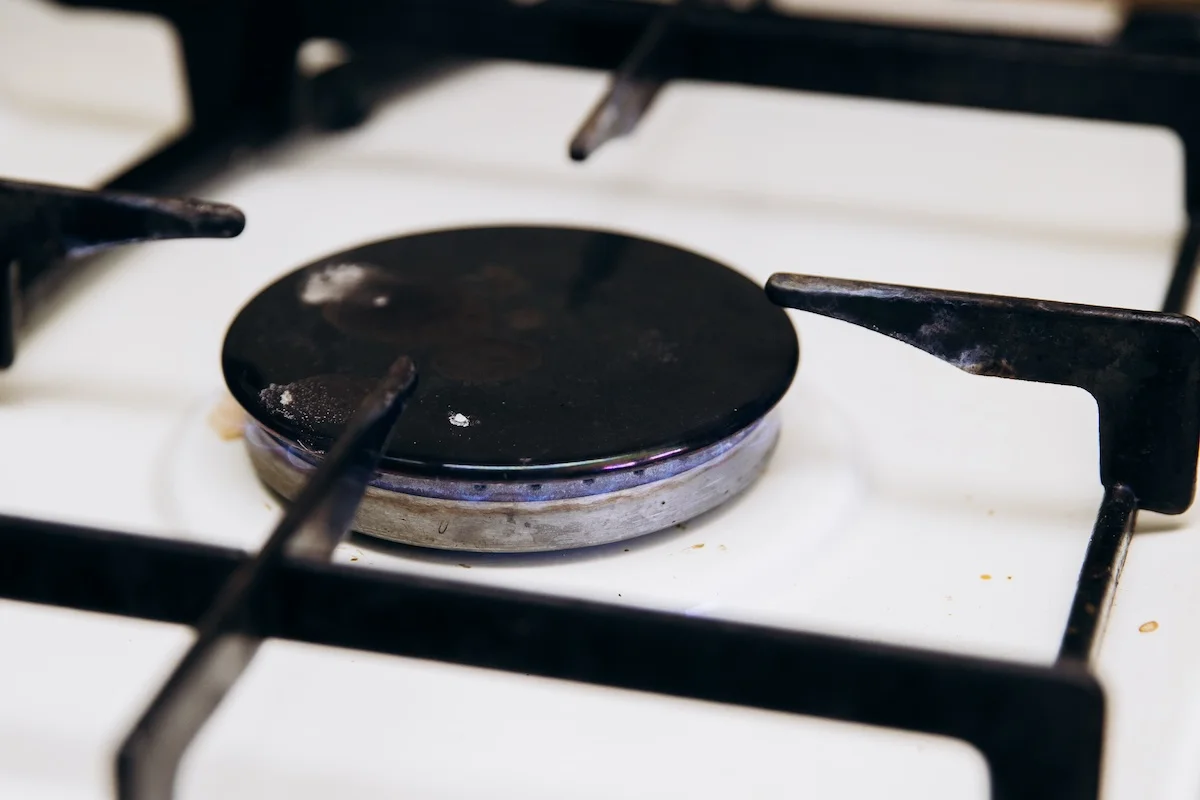
Seeing sparks jump from your stovetop can be startling, especially when no burner is turned on. Some sparking is normal, particularly on gas ranges with electronic ignition, where the igniter clicks briefly each time you light a burner. However, sparks that appear continuously, crackle loudly, or show up when controls are off point to electrical problems that deserve prompt attention. Understanding the difference between normal ignition sparks and dangerous electrical arcing helps you protect your kitchen and your family. This guide explains why burner sparks occur in both gas and electric ranges, how to recognize warning signs, what you can safely check, and when to call a professional. For broader guidance on ignition failures, see our article on Gas Stove Repair Issues: When Burners Won’t Ignite.
Not every spark signals a malfunction. Gas ranges with electronic ignition use a spark electrode that fires briefly when you turn a knob, and this is expected behavior. Electric ranges, by contrast, should not spark at all during normal operation. Learning to tell these situations apart is the first step in diagnosis.
Normal ignition sparking typically looks like this:
Dangerous sparking looks very different:
Moreover, sparks that occur alongside any gas odor require immediate action. Leave the home, avoid using switches or phones inside, and call your gas utility or emergency services from a safe location.
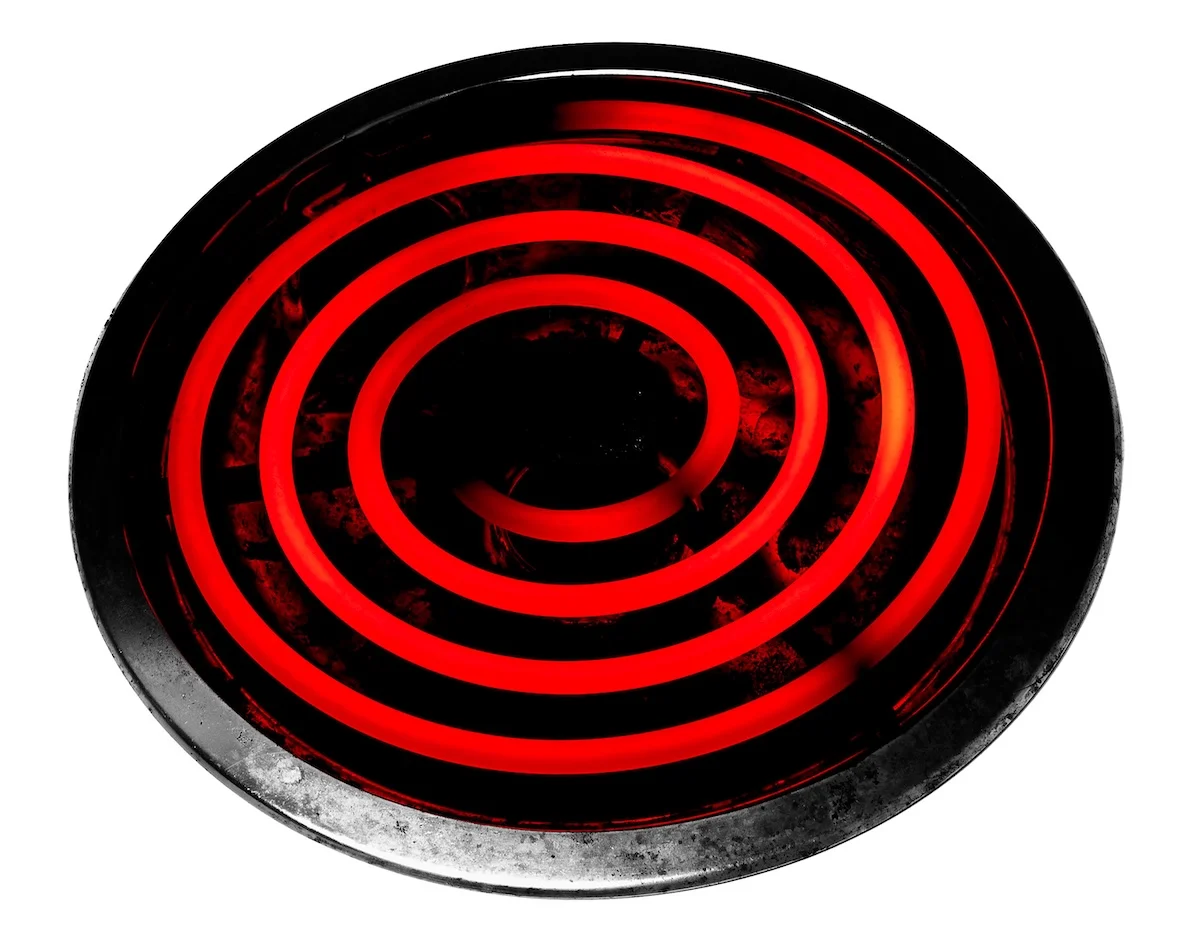
Stovetops combine electricity, heat, grease, and moisture in a small space. Consequently, several conditions can create arcing. Understanding these causes helps you describe the problem accurately to a technician.
Wires behind the cooktop endure constant heat cycling. Over time, insulation can crack, harden, or melt. When bare conductors come close together or touch metal housings, electricity arcs across the gap. Damaged wiring often produces intermittent sparks that worsen with use.
Terminal connections that loosen from vibration or thermal expansion create resistance. This resistance generates heat and can cause small sparks at the connection point. Corrosion from spilled food, moisture, or cleaning products can produce similar effects, and sparks may appear only when the stove is in use.
Burner knobs and control panels contain switches that direct electrical current. Worn switch contacts can arc each time they open or close. On electronic ranges, a failing control board may send signals incorrectly, causing sparks at burners that should remain off.
On gas models, a cracked ceramic insulator around the spark electrode can allow current to leak into the burner assembly or surrounding metal. Electrodes that have shifted position may also spark against burner components rather than igniting gas. These issues often cause repeated clicking or sparks that appear when burners are idle.
Spilled liquids and food residue can bridge gaps between live electrical parts. A stovetop that has been cleaned with excess water may spark until fully dry. Grease buildup around igniters and burner bases creates similar conductive paths.
Electric ranges use either coil or smooth-top surface elements, and each type presents distinct risks when sparks appear.
Smooth-top models rely on glass ceramic surfaces and radiant elements beneath them. Sparks in these units often originate from damaged internal wiring, a cracked element terminal, or a failing control board. Spilled sugary foods that burn onto the surface can also create conductive residue. Never attempt to scrape hot glass or probe electrical areas while the unit is energized.
Coil-style ranges have exposed terminals beneath each burner. Food debris, grease, and moisture collecting in the drip pan area can cause arcing at these connections. Sparks that appear when a burner is switched on or off frequently indicate a faulty terminal, a worn switch, or a damaged receptacle.
On many modern ranges, the oven and cooktop share control circuitry. A problem in one area sometimes produces symptoms in the other. If sparks appear from a burner while the oven is also heating, or if the clock resets during sparking, the control board or shared wiring may be involved.
Gas ranges combine electrical ignition with a flammable fuel source, which makes sparking especially serious. Electrical arcing near a gas supply can create ignition risks if gas is leaking. For this reason, any spark accompanied by a gas smell must be treated as an emergency.
Common gas range sparking scenarios include:
Furthermore, gas ranges often have electrical components near burner valves. Technicians must check both systems together to avoid overlooking a hazard.
While electrical repairs should be left to professionals, a few safe steps can help you gather useful information and reduce immediate risk.
If sparks appear continuously or with any burning smell, turn off the range at the control panel. Then turn off the circuit breaker that supplies the range. For gas ranges, close the gas shutoff valve if you can do so safely. Do not touch the cooktop surface or metal parts while sparking is occurring.
Careful observation helps technicians diagnose faster. Note the following details:
Taking a short video with your phone can also be helpful, provided you keep a safe distance from the appliance.
Once the range is completely unplugged or the breaker is off and the surface has cooled, you may wipe away dried grease and food debris with a dry or lightly damp cloth. Avoid spraying liquids into burner openings, switches, or control panels. Never use metal tools to scrape around electrical components.
With the range unplugged, examine the power cord for cracks, melting, or discoloration. Check the outlet for scorch marks or a loose fit. Damaged cords and outlets can create arcing that resembles stovetop sparking. If you find any damage, do not reconnect the range until a licensed electrician or appliance technician has inspected it.
Most stovetop sparking problems require professional diagnosis. Electrical systems carry dangerous voltages, and gas-related components demand specialized training. Contact a qualified technician immediately if you notice any of the following:
Moreover, professional technicians can test wiring continuity, measure voltage at terminals, inspect control boards, and verify that grounding is correct. They also confirm that repairs meet manufacturer specifications and local electrical codes.
Understanding typical repairs can help you evaluate service estimates. Depending on the cause, professional work may include:
Repair costs vary by range model, parts availability, and the complexity of the diagnosis. Because electrical faults can be intermittent, a thorough inspection often prevents repeat visits.
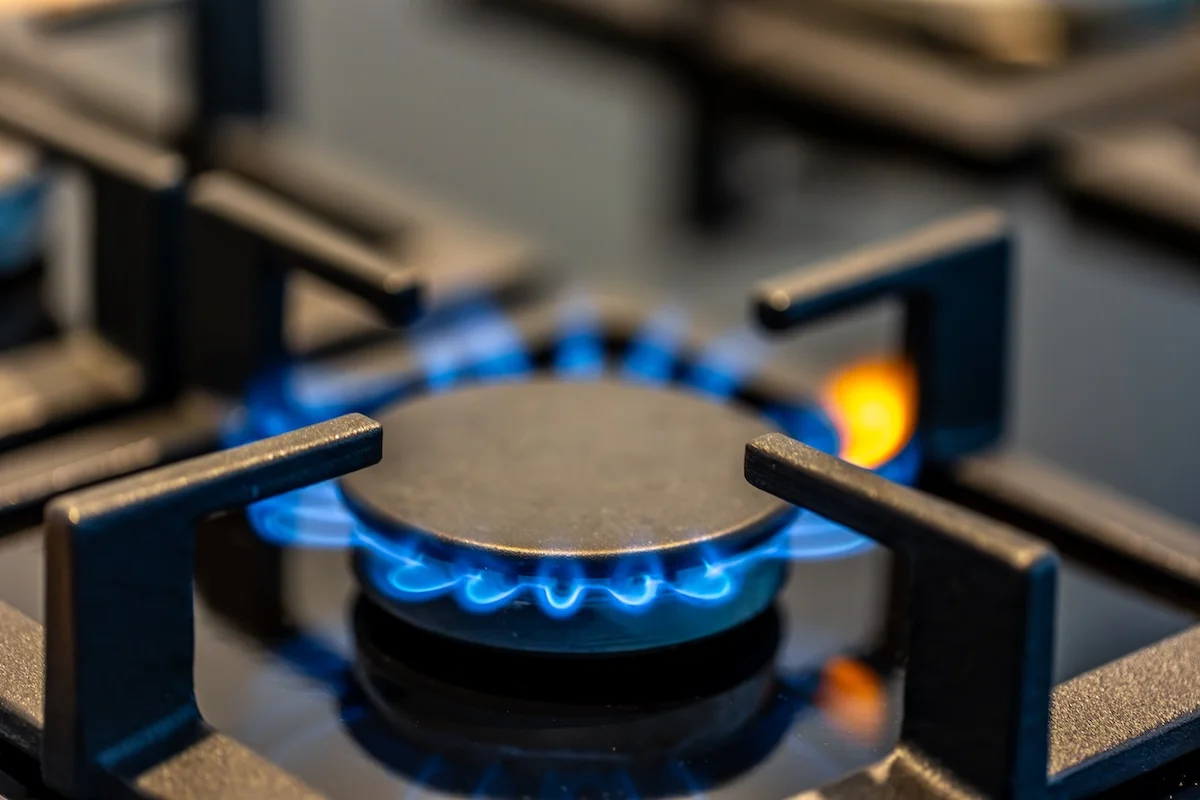
Preventive habits can reduce electrical problems on your range. While you cannot prevent every failure, these practices lower the risk considerably:
Additionally, avoid placing heavy objects on the cooktop or leaning on control panels. Physical stress can loosen internal connections over time.
Older ranges often develop wiring problems that become more costly to fix over time. Frequent sparking, repeated control failures, and worn components may indicate that replacement is more economical than repair. Technicians can evaluate the age of the range, its parts availability, and the total repair cost before offering a recommendation. Making this decision with professional guidance helps you avoid spending money on a unit that will continue to develop electrical faults.
Stovetop burner sparks are a warning sign that should never be ignored. While brief ignition clicks on gas ranges are normal, continuous sparking, arcing, burning smells, and any gas odor signal serious problems. Whether your range is gas or electric, electrical issues stem from worn wiring, loose connections, faulty switches, damaged spark electrodes, or moisture and debris. Taking immediate safety steps, documenting symptoms, and calling a qualified technician protects your home and family.
At Gulf Coast Appliances, our certified technicians diagnose and repair stovetop electrical problems on gas and electric ranges of all major brands. We test wiring, inspect control systems, and verify safe operation before we leave your home. If your burners are sparking, do not wait for the problem to worsen. Contact Gulf Coast Appliances today to schedule a safety inspection and get your range back to reliable, safe operation.
For more information on kitchen appliance safety, the U.S. Consumer Product Safety Commission offers helpful guidance at https://www.cpsc.gov.